Cardiorespiratory
Oxygen delivery, ventilation and cardiac output shape how effort feels and how quickly it settles.
By Sari Wulandari, Physiology and Research Editor · Published · Updated
Ageing does not end adaptation. It changes the inputs, the recovery window and the value of patient measurement.

Oxygen delivery, ventilation and cardiac output shape how effort feels and how quickly it settles.
Strength depends on coordination, tissue tolerance and repeated exposure to useful loads.
Fuel availability and energy balance influence the quality of training across a full week.
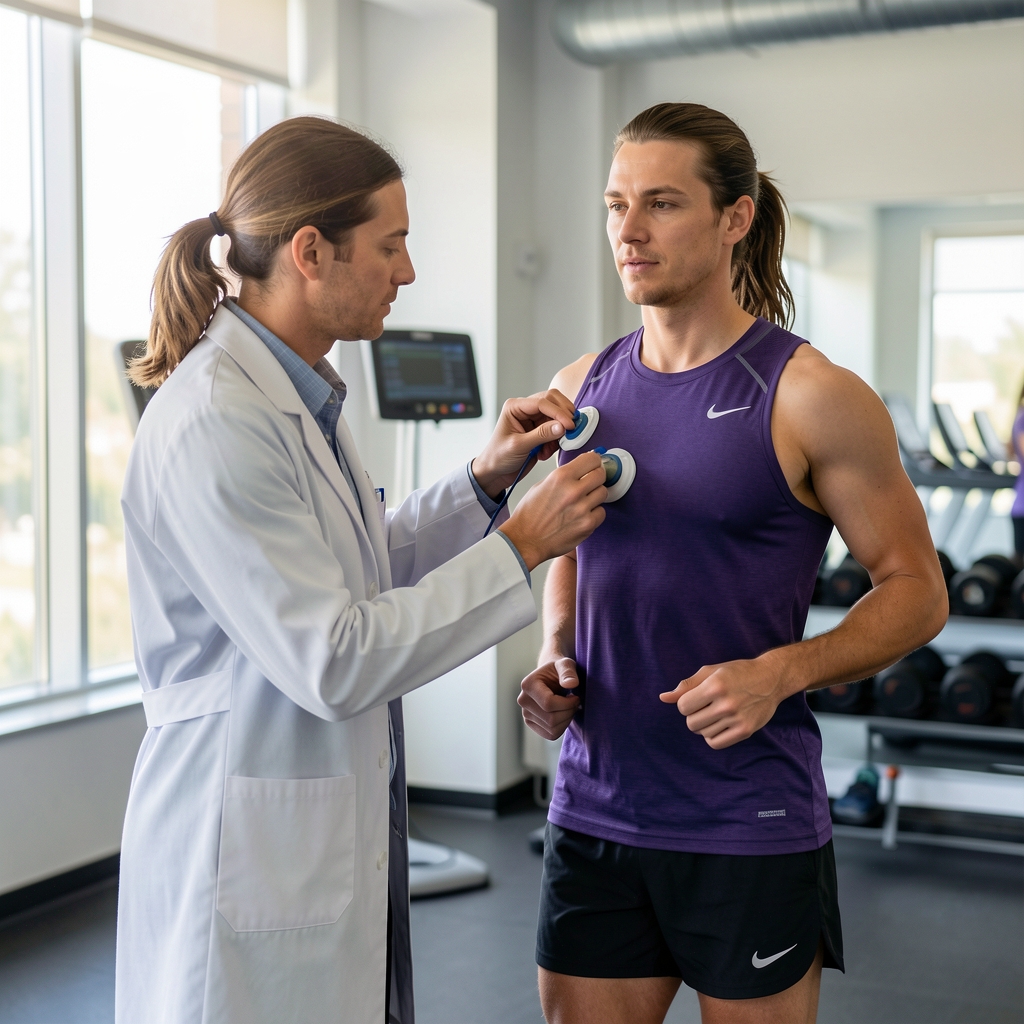
Simple measures such as session duration, perceived effort, sleep, resting pulse and soreness can reveal patterns before a laboratory test is considered.
Useful data reduces guesswork; it does not remove judgment.
| Observation | Possible context | Next editorial question |
|---|---|---|
| Unusually high effort | Heat, poor sleep or accumulated load | What changed in the previous 48 hours? |
| Slower recovery | New stressor or insufficient energy | Has training volume risen too quickly? |
| Persistent pain | Technique, tissue tolerance or injury | Would a clinician assessment be appropriate? |