February 2026
Aerobic capacity across midlife
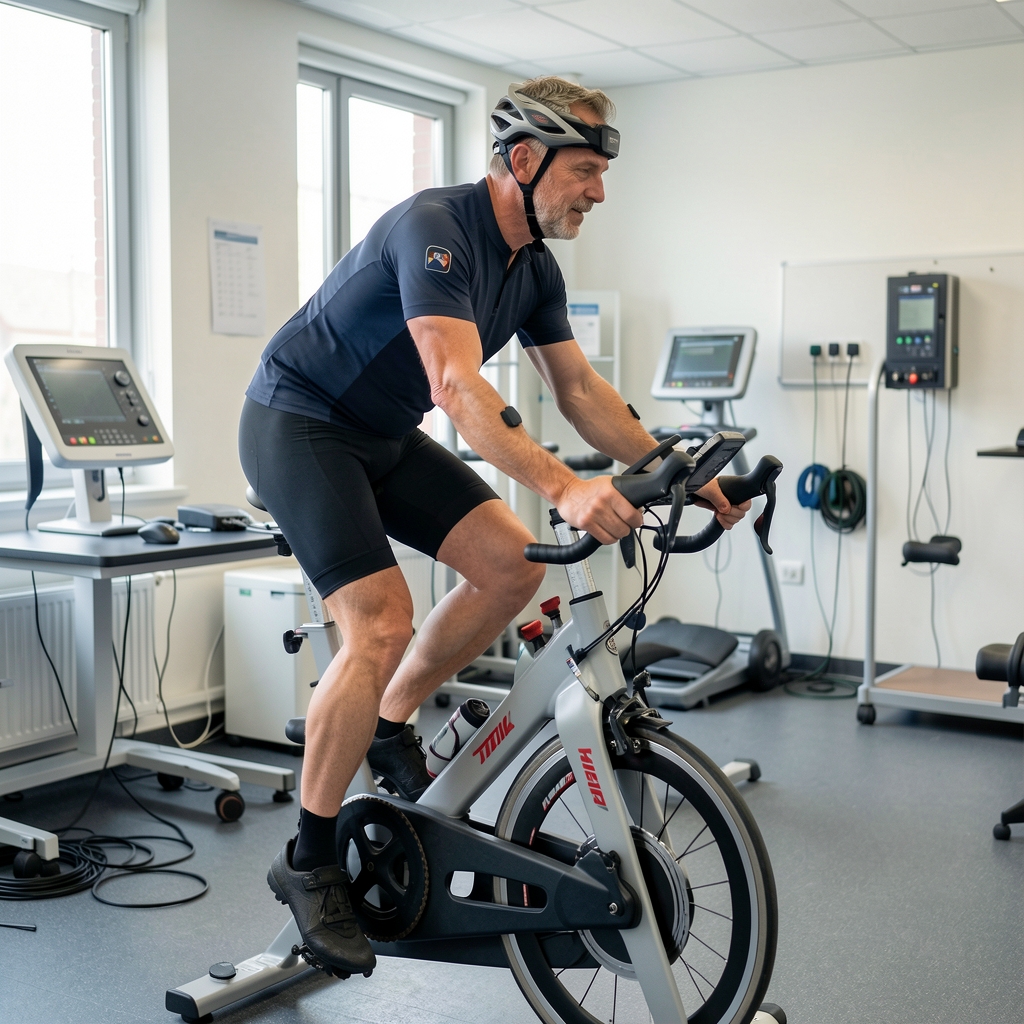
Cohort data describe a gradual decline in maximal oxygen uptake with age, with considerable variation linked to regular activity levels.
Read the physiology notesThe research desk reads published studies on ageing, training and recovery in adult men and reports what each study measured, who took part and what it cannot show.
How we read studies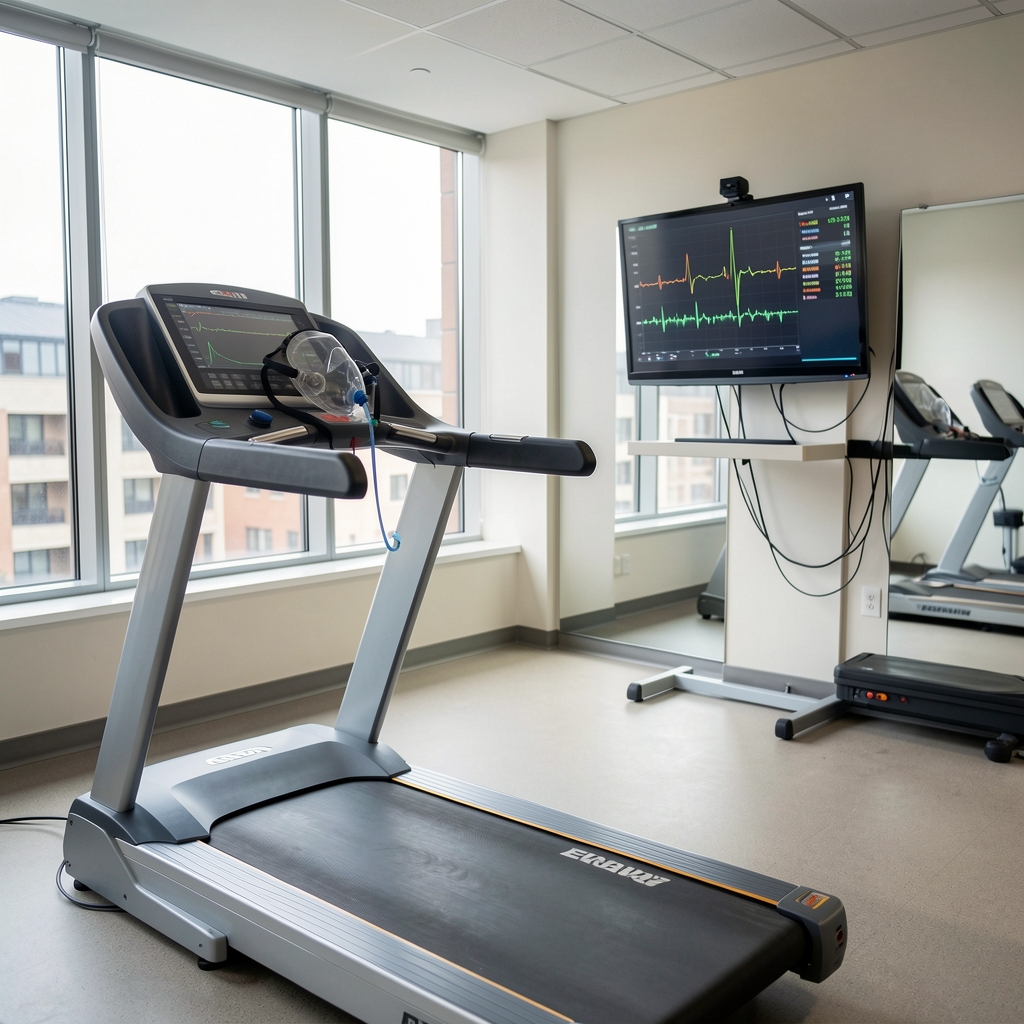
The summaries below are written for general readers. They are not a substitute for the original papers, which are cited in each article.
February 2026
Cohort data describe a gradual decline in maximal oxygen uptake with age, with considerable variation linked to regular activity levels.
Read the physiology notes
April 2026
Trials in men over 40 report gains in strength with progressive loading, though study durations are often only 8 to 24 weeks.
Read the strength page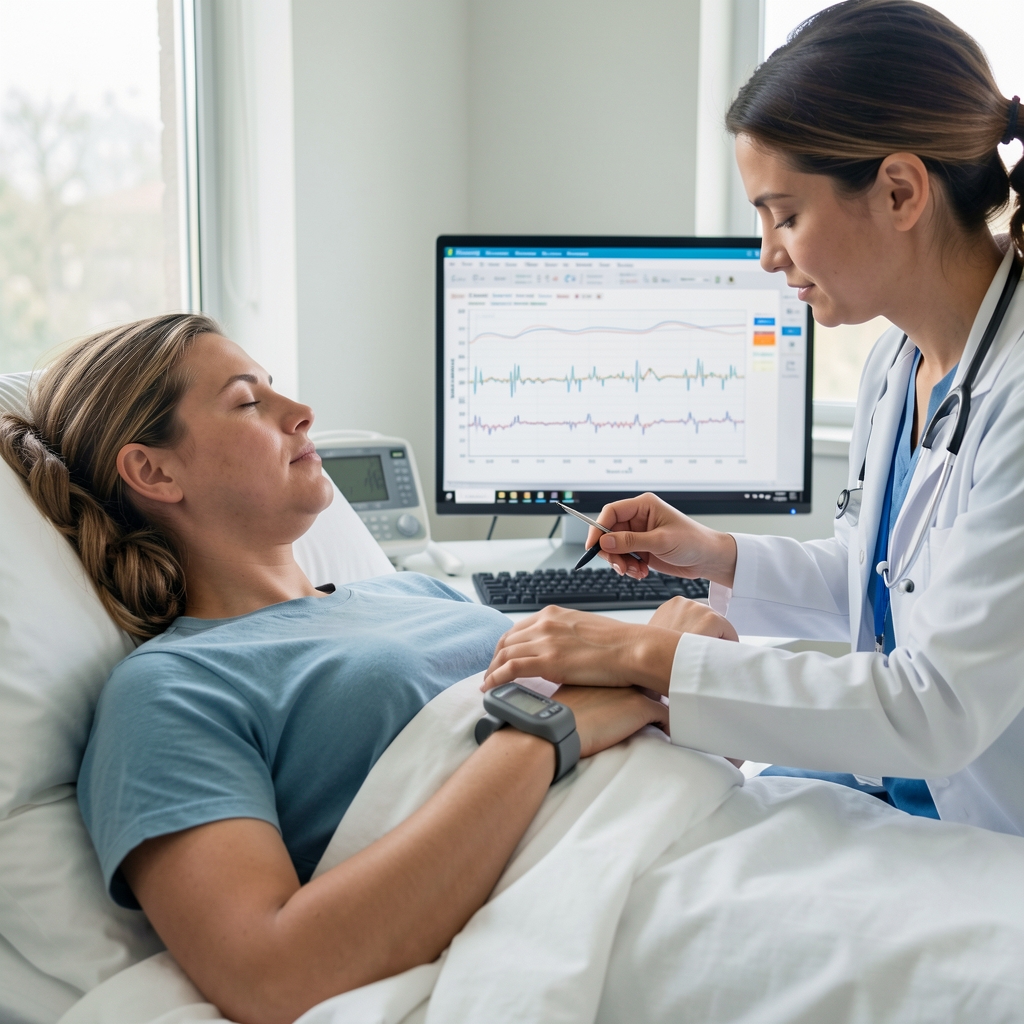
June 2026
Short-term experiments link reduced sleep with higher perceived effort. Longer-term effects remain under investigation.
Read the recovery notesThe abstract gives the headline. The methods section shows what was actually done, which is where limits usually appear.
A study of young elite athletes may not apply to a 50-year-old with a desk job. Age, sex, training status and health conditions all matter.
Small samples and short durations produce results that can change with more data.
Observational findings describe patterns; only controlled designs can test cause directly.
Authors typically list limits near the end. These notes help set the right level of confidence.
| Area | Typical measures | Common limitation |
|---|---|---|
| Cardiorespiratory fitness | VO2 max, submaximal heart rate, time trials | Laboratory tests differ from real-world exercise |
| Musculoskeletal health | Strength, lean mass, bone density | Short interventions; varied protocols |
| Recovery and sleep | Sleep diaries, actigraphy, heart rate variability | Wearable accuracy varies |
| Heat and environment | Core temperature, sweat rate, perceived exertion | Findings depend on climate and acclimatisation |
A single study is a data point, not a verdict. The research desk looks for agreement across designs and populations before describing a finding as well established.
See the full glossary for additional terms.

No. The desk summarises published work from universities and research institutes and credits the original authors.
Topics follow reader questions, new systematic reviews and public guidance updates. The selection process is described on the methodology page.
No. They are general information for education. Personal health decisions belong with a qualified clinician, as explained in the disclaimer.
Corrections or suggestions can be sent to Genesis, Jl. Sudirman 12, Jakarta Pusat, DKI Jakarta 10220, Indonesia, or by telephone on +62 813 5792 4680.